The games
Chess is played on 64 squares with 16 pieces each, and you win by checkmate: the other king is under attack and has no way out. Each side gets a 10-minute clock by default. Press Play Online for a random opponent, or play the computer at 11 levels. The chess rules explain how each piece moves, and the chess strategy guide has openings for beginners.
Checkers uses the dark squares of an 8x8 board. You capture by jumping over an enemy piece, and if a jump is open, you have to take it. Presets switch to draughts, the name for checkers in much of the world, including the 10x10 International game. Start with the checkers rules, then read how to win at checkers.
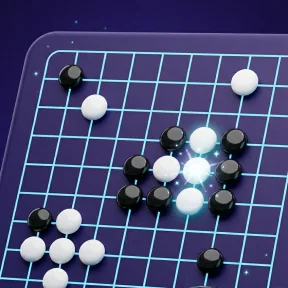
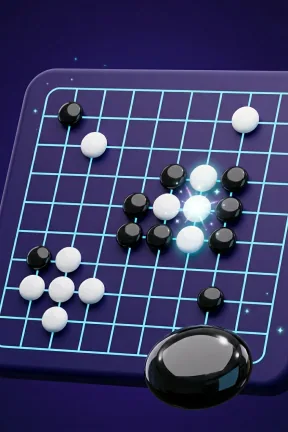
Go is a game of black and white stones. You place stones to fence in empty space, and a group with no empty points next to it is captured. New games start on a 9x9 board, which takes far fewer moves than the full 19x19. The Go rules walk through scoring a real board.
4 in a Row has you drop discs into a 7-column grid. Four in a line across, up, or on a diagonal wins. With perfect play, the first player wins by starting in the middle column, which the 4 in a Row strategy guide explains. The rules are short.
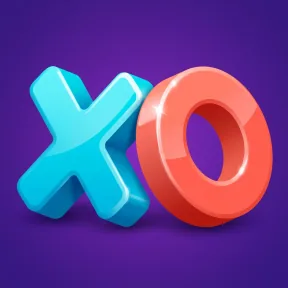
Tic Tac Toe is X and O on a 3x3 grid, plus 5x5, 7x7, and Ultimate, where nine small grids sit inside one big one. On 3x3, two careful players always draw. The tic tac toe strategy guide shows the replies that never lose, and the rules cover Ultimate.
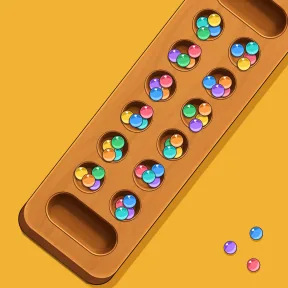
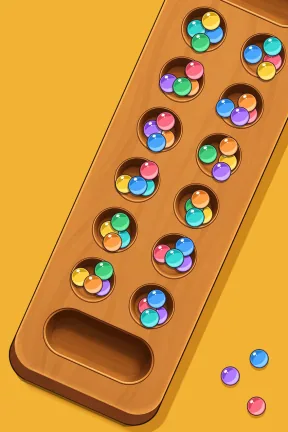
Mancala is a counting game. You pick up all the stones in one of your pits and drop them one by one around the board. Land the last stone in your store and you go again. In the usual game with 4 stones per pit, the best first move is your third pit from the left, then your sixth. The Mancala strategy guide shows why, and the rules cover all five rule sets. As of November 2026, anyone can join a Mancala room but only Supporters can start one.
Ludo is a dice race. You need a 6 to bring a pawn out, and landing on an enemy pawn sends it back to its base. Up to 4 people can share one device. See the Ludo rules for safe squares and the Parchisi preset.
Foonopoly is a property game in the style of Monopoly, with its own board. You buy streets, build on them, and charge rent. The Foonopoly strategy guide is based on thousands of bot games on this board, and shows which streets get landed on most. The rules cover jail and auctions.
Yacht is a dice game with a scorecard. You roll five dice up to three times a turn and pick a row to score, and a game is 13 turns. The Yacht rules list every row.
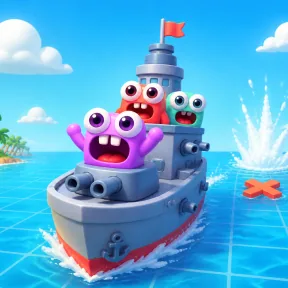
Battleblobs is a sea battle in the style of Battleship. In our tests, firing on a checkerboard pattern and then following each hit sank a fleet in 53 shots on average, against 95 for random shots. The Battleblobs strategy guide has the numbers, and the rules cover the weapon crates.
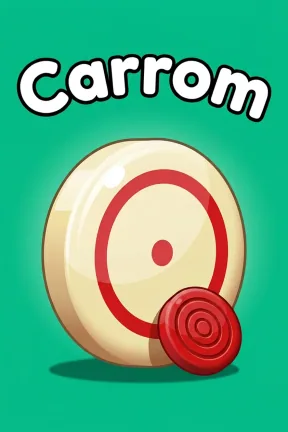
Carrom is played on a square board with a pocket in each corner. You flick a flat disc called the striker to sink your 9 pieces. Read the carrom rules for the queen.
How to pick a board game
By player count. Most of these games are for 2. For 3 or 4, pick Ludo, Foonopoly, or Yacht. For 5 to 10, Ludo switches to a bigger board with one arm for each color.
By time. Tic Tac Toe and 4 in a Row have the shortest turn clocks, 15 and 20 seconds by default. In Checkers you have 25 seconds a move. A chess game with the default clocks can run up to 20 minutes, and Foonopoly goes on until every player but one is bankrupt, unless the host sets a round limit. Foonopoly’s Quick Game preset ends after 12 rounds.
By how much luck you want. Chess, Checkers, Go, Mancala, 4 in a Row, and Tic Tac Toe have no luck at all. Ludo, Foonopoly, and Yacht have dice, so a newer player can still beat an expert now and then. That makes them good picks for a family game.
On phones and Chromebooks
Every game here runs in the browser. You tap a piece and then the square, or drag it. Most boards fit a phone screen well. Go on the full 19x19 board has small points, so it’s easier on a bigger screen. The 9x9 board is a good fit for a phone.
The board games also support older browsers, back to Chrome 88, so most school Chromebooks can run them.