What makes a game a classic
A classic game is one whose rules were around long before computers, and that people still play at home, at clubs, or in pool halls. Go and Mancala are many centuries old. Chess took its modern rules about 500 years ago. Euchre and Hearts date from the 1800s, and Spades from the 1930s. Breakout is the youngest game here: Atari released it as an arcade game in 1976.
Because these games are so old, almost every family and club has its own version. That’s the biggest thing to know when you play them online. The rules here might not be the rules you learned. Each game’s rules page lists where it differs, and many games have room settings that switch to other versions.
Board games
Chess has the most ways to play: a random opponent with Play Online, a friend by link or on one screen, or the computer at 11 levels. Under tournament rules, a player has to claim a draw after 50 moves each with no capture or pawn move, or when a position comes up three times. Here those draws happen on their own. See the chess rules.
Checkers starts with American rules on an 8x8 board. In much of the world the game is called draughts, and presets switch to International (10x10), Russian, Brazilian, or Canadian (12x12) rules. In those, kings can fly, which means they slide any distance along a diagonal. The checkers rules compare them.
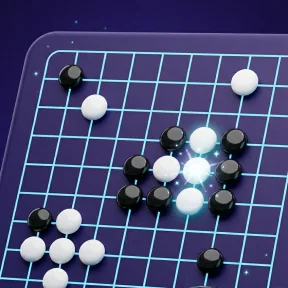
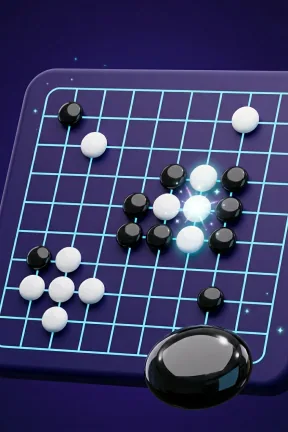
Go uses area scoring: you count your stones plus the empty points only your stones surround. In many clubs, players agree at the end which stones are dead (they can’t escape capture) and take them off. Here they aren’t taken off for you, so you have to capture them before you pass. The Go rules show a scored board.
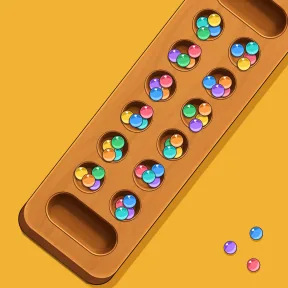
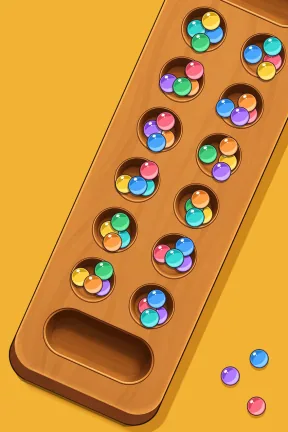
Mancala is a family of games played across Africa and Asia. Classic rules are the default, and you can also pick Avalanche, Oware, Sungka, or Mangala. See the Mancala rules.
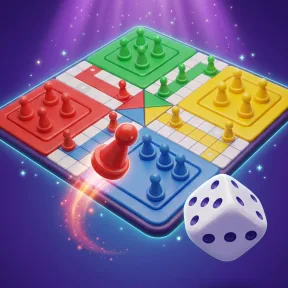
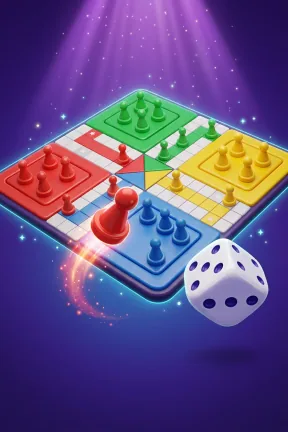
Ludo comes from the old Indian game Pachisi. With the Parchisi preset, you roll two dice, a 5 brings a pawn out, and two pawns on one square block the way. Read the Ludo rules.
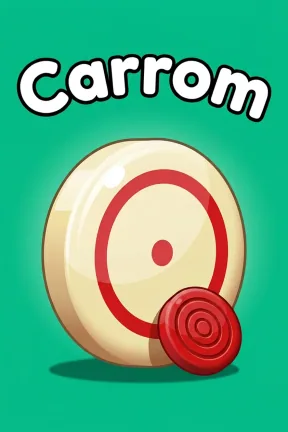
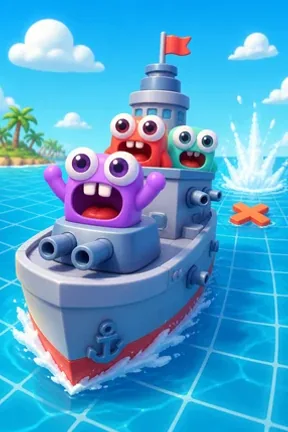
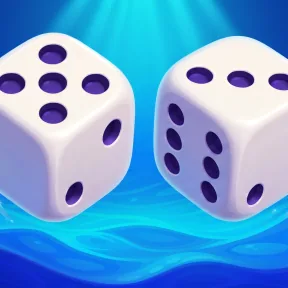
Also here: 4 in a Row, Tic Tac Toe, Battleblobs (in the style of Battleship), Carrom, and Yacht, a dice game scored like Yahtzee. Each one has a rules page, like the Yacht rules.
Card games
Spades is played 2 vs 2 with partners, or as Cutthroat for 2 to 6 players who each play alone. Every 10 bags (tricks over your bid) cost your side 100 points. See the Spades rules.
Hearts is for 3 to 6 players. Older rules have the player left of the dealer lead first. Here, the lowest club starts the first trick. The host can add the jack of diamonds rule, where that card takes 10 points off your score. See the Hearts rules.
Euchre uses only the 9s up to the aces. The host can turn on stick the dealer, where the dealer has to name a trump suit if the other 3 players pass in the second round. See the Euchre rules.
Gin Rummy has Standard and Oklahoma rules. In Oklahoma, the value of the first face-up card is the most deadwood you can have when you knock. See the Gin Rummy rules.
Table games and tiles
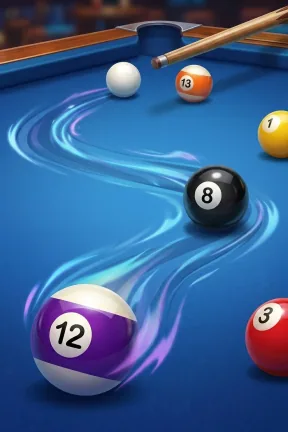
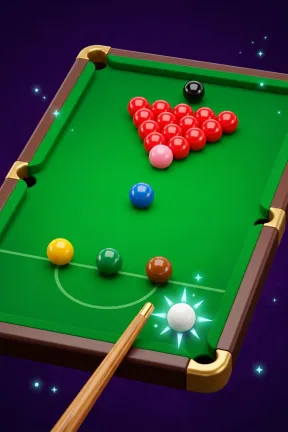
8 Ball Pool, 9 Ball Pool, and Snooker follow the main rules, with a few changes. In 9 ball under World Pool-Billiard Association (WPA) rules, a 9 that drops on the break wins. Here it goes back on its spot and play goes on. Snooker here has no free ball and no miss rule. The 9 ball rules and snooker rules list each change.
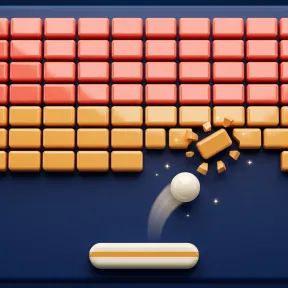
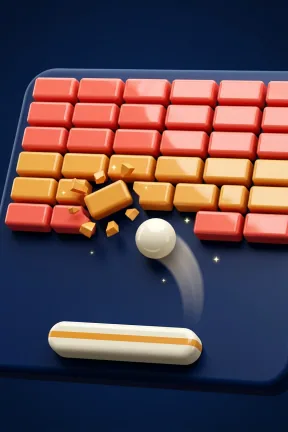
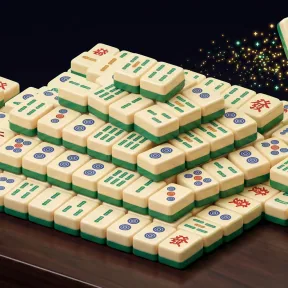
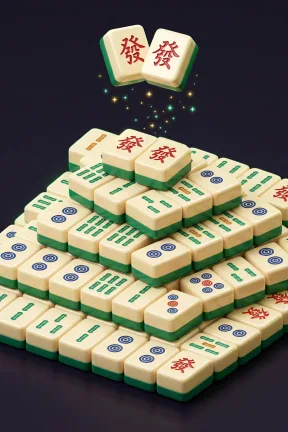
Mahjong Solitaire has 25 boards, including the classic Turtle with 144 tiles. Breakout keeps the paddle and the brick wall from 1976, and adds races where everyone plays the same walls at once.
How to pick one
If you know a game from real life, start there, and look at the room settings first to match your rules.
If you want to learn one, pick a game with a rules page and an easy bot. Checkers and Hearts are short to learn. Chess and Go take longer, but have the most bot levels to grow with.
If you have a group, pick a card game for 4 (Spades, Hearts, or Euchre) or Ludo. Bots fill any seat nobody takes.
If you want to play alone with no opponent, Mahjong Solitaire.
Friends, bots, and random players
Almost all of these games have bots, from easy levels up to Grandmaster in Chess, Checkers, 4 in a Row, and Battleblobs. Many board games and all the cue games also let 2 people share one phone or computer with Play in Person. Chess, 4 in a Row, 8 Ball Pool, and 9 Ball Pool have Play Online for a random opponent. For anything else, make a room and send a friend the link.
On phones and Chromebooks
Nothing needs to be installed. Older devices are fine too: the games support Chrome back to version 88, so a school Chromebook from a few years ago can still run them.
What classic games can I play online for free?
Board games like Chess, Checkers, Go, Mancala, and Ludo, card games like Spades, Hearts, Euchre, and Gin Rummy, plus 8 Ball Pool, Snooker, Yacht, Mahjong Solitaire, and Breakout. All of them are free in your browser.
Can I play classic games against the computer?
Yes. Almost every game on this page has bots. Mahjong Solitaire is the one you play on your own, with no opponent needed.
Can I change the rules to the ones I know?
Often, yes. Look at the room settings before you start. Checkers has presets for four kinds of draughts, Gin Rummy has Oklahoma rules, Euchre has stick the dealer, and Ludo has a Parchisi preset.
Is Yacht the same as Yahtzee?
Yacht here is scored like Yahtzee: 25 for a full house, 40 for a large straight, 50 for five of a kind, and a 35-point bonus for 63 in the top rows. Yahtzee is a trademark of Hasbro.
Is Mahjong Solitaire the same as Mahjong?
No. Mahjong is a game for 4 players who draw and discard tiles to build a hand. Mahjong Solitaire uses the same tiles, but you play alone and clear the board in matching pairs.